
EVEHA International delivers offshore and nearshore marine projects worldwide, joining local and global strengths. We specialize in the analysis, assessment, and interpretation of marine geophysical data and the execution of targeted field operations to identify and evaluate underwater cultural heritage (UCH), including both historic ,prehistoric and geoarchaeological materials. Our teams support offshore development by providing clear insight into seabed conditions, helping clients manage risk and maintain compliance while keeping projects moving forward. Our work is grounded in applicable regulatory frameworks and industry best practices, ensuring efficient delivery of results across all phases of a project.
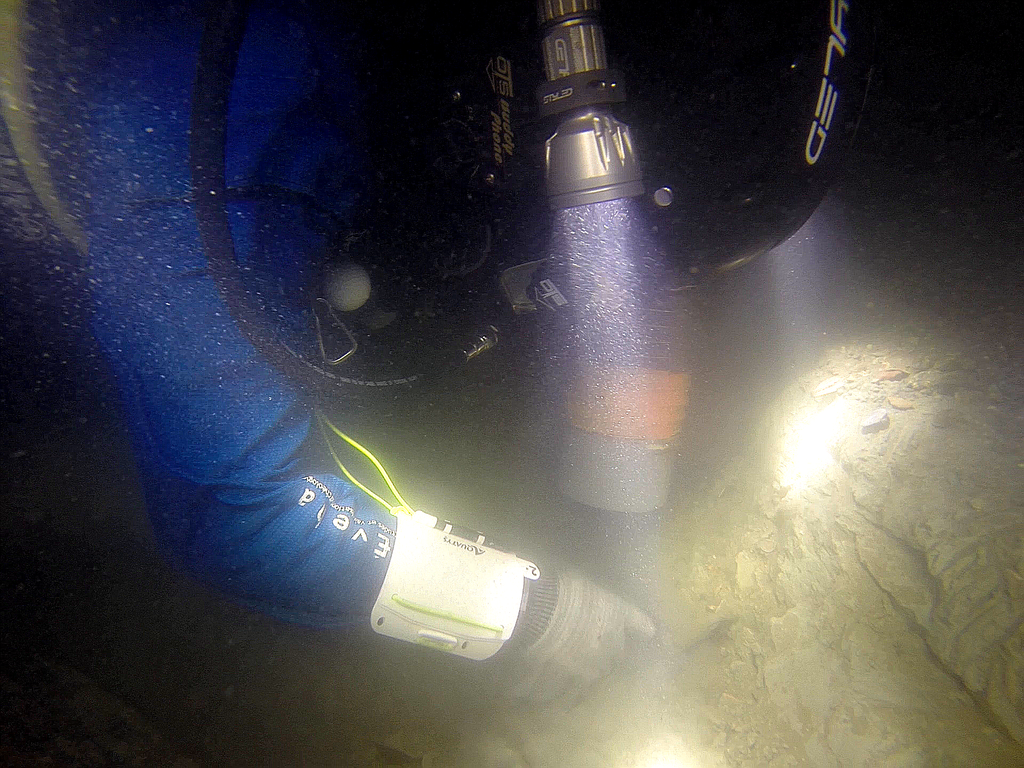
Capabilities:
• Desktop studies
• Geophysical data assessment and interpretation
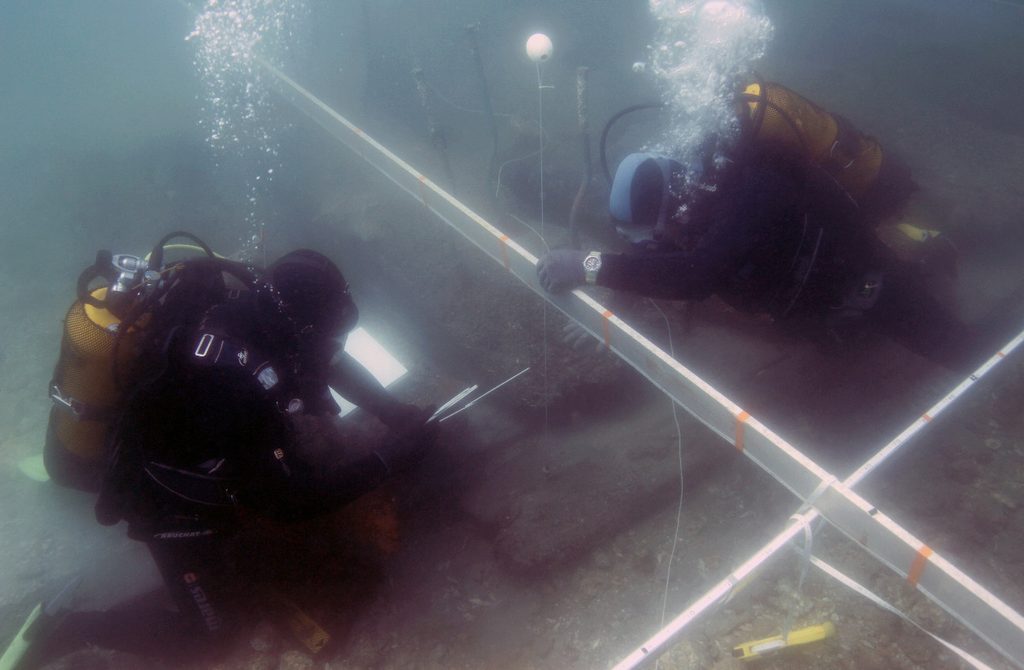
• Subsea exploration and investigations
• Subsea optical and acoustic data acquisition
• 3D modelling
• Reporting, operational guidance and compliance consultancy
• Outreach and exhibition support
Technology-Enabled
Project Support
By use of advanced digital technologies we record, interpret, and deliver results efficiently across every stage of underwater research—from desktop assessments to digital modelling of submerged features and objects. This allows us to respond rapidly to emerging challenges that may otherwise put project schedules, compliance, or operational progress at risk. We would gladly work together with environmental,engineering and UXO consultants to apply our teams’ knowledge of the marine historic environment.
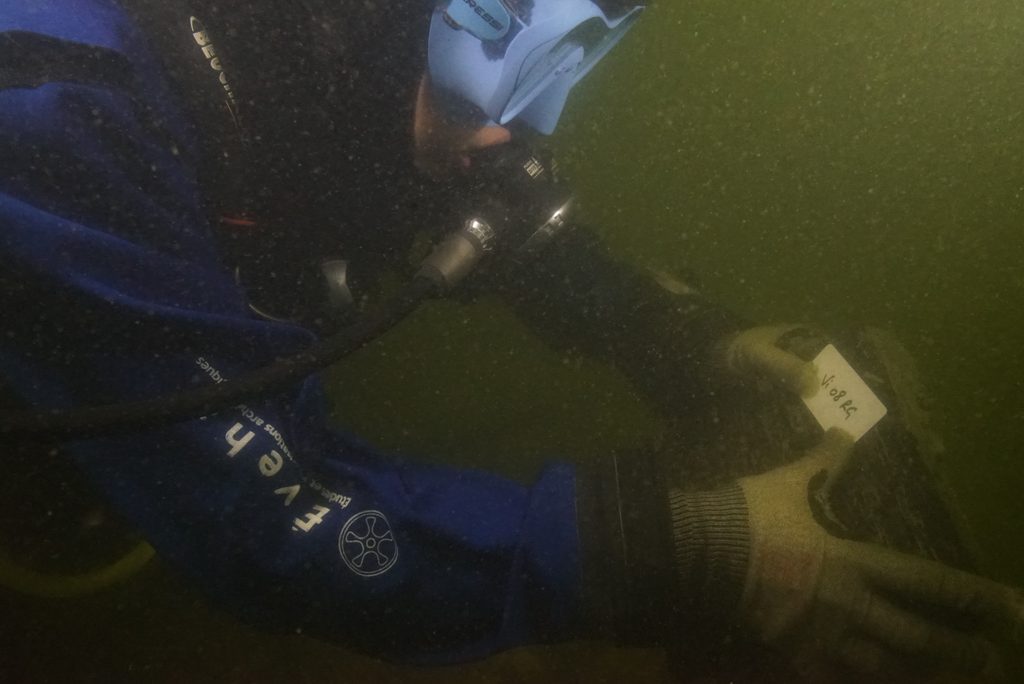
Our marine team can rely on the support from the 400+ specialists within the EVEHA family of companies.
• Marine geophysical data acquisition , analysis, and interpretation
• Integrated geophysical analysis and target assessment
• Advanced 3D platforms for geophysical, photogrammetric, and geospatial data visualization and review
• Geospatial data integration of multiple data sets
• Data based modelling for monitoring baselines
Supporting Compliance
and Managing Risk
EVEHA International helps project teams identify, assess, and manage heritage constraints before they become operational issues, supporting:
• Local regulatory and permitting compliance
• Early identification of seabed heritage constraints
• Efficient mitigation planning
• Close coordination with other seabed environmental consultancy disciplines where possible
• Reduced project delays caused by unexpected discoveries
• Transparent documentation for regulators and stakeholders